
The complete guide
How to Choose a Gym Duffle Bag That Actually Works
The problem with most gym bags
Walk through any changing room and you will see the same scene. Somebody has tipped a bag out onto a bench because they cannot find one thing, and their trainers are sitting on top of a clean shirt. The bag itself is fine. It is just a single open space with a zip, and single open spaces turn into a jumble the moment you are in a hurry.
That is the real problem a good gym duffle bag solves. Not capacity, not branding, not clever fabric. Organisation. Where the shoes go, where the damp towel goes, and whether you can get at your keys without unpacking.
A bag with separate sections fixes the daily annoyance. It also makes you more likely to use it for other things, like a night away or a weekend at a friend's place, because the layout already makes sense.
How a three compartment duffle works
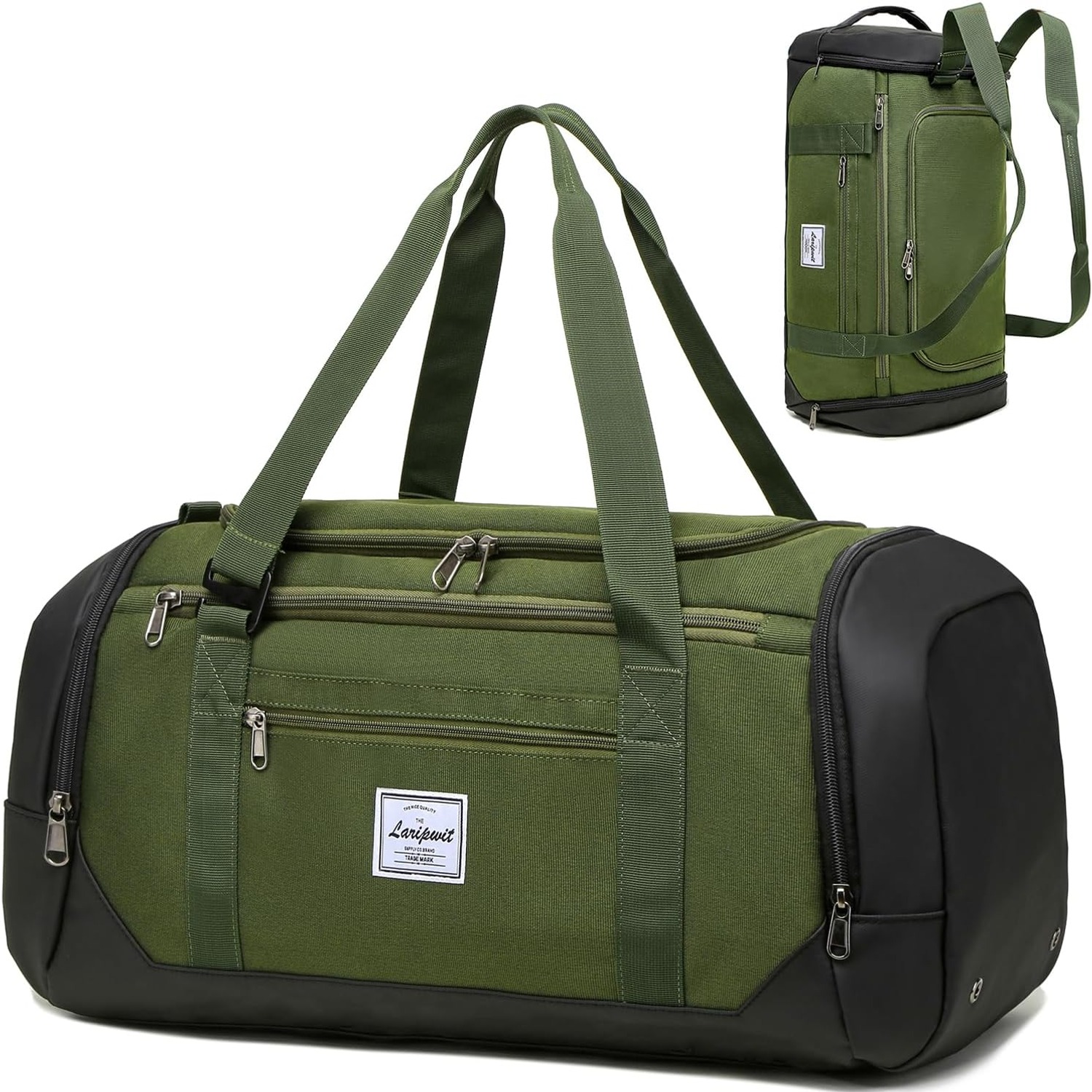
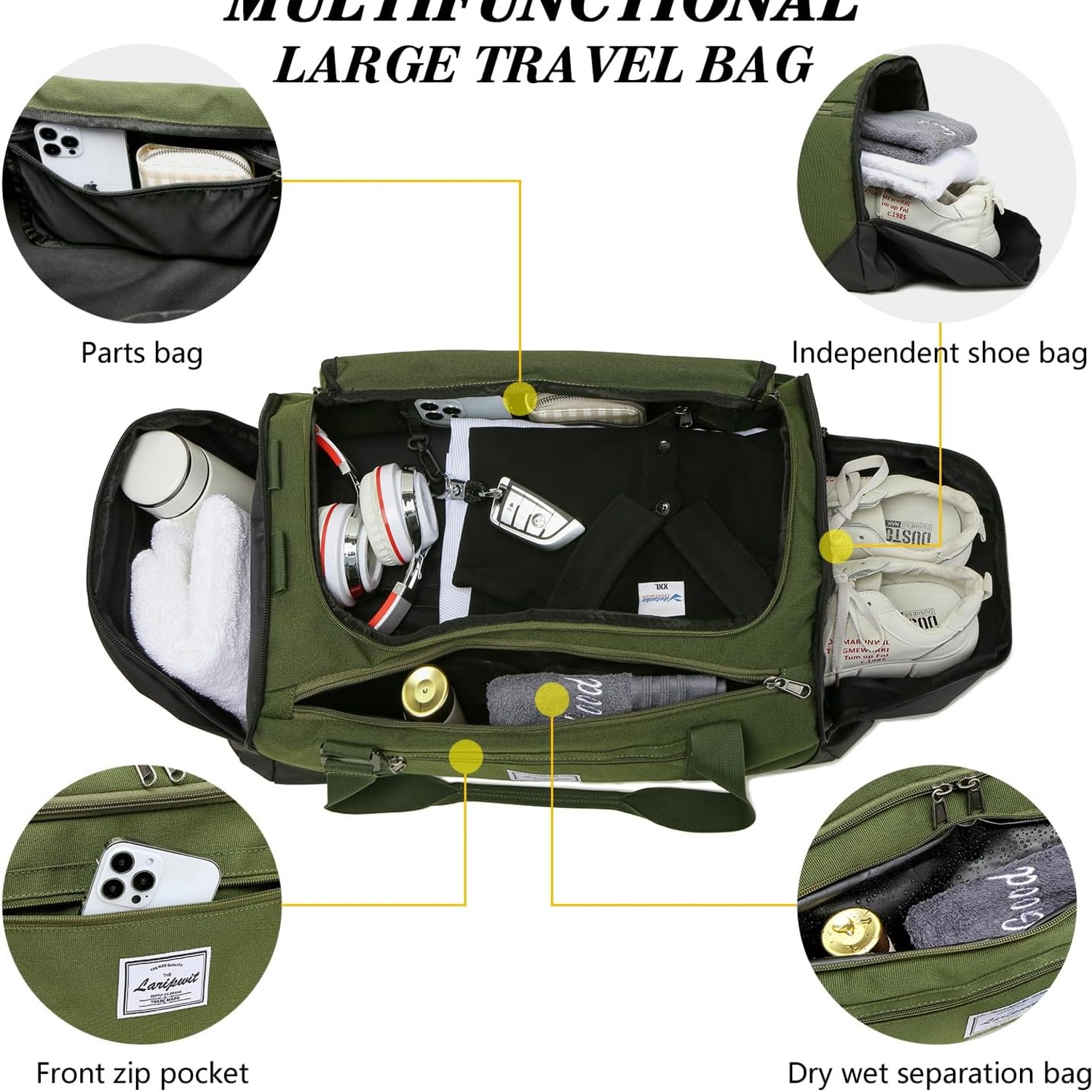
The idea is simple. One large main space takes the bulk of your kit, clothes, towel, water bottle. A second compartment is set aside for shoes, usually accessed from the end of the bag, so dirt from soles stays where it belongs. A third smaller section handles the things you reach for most, like a phone, keys, a padlock or headphones.
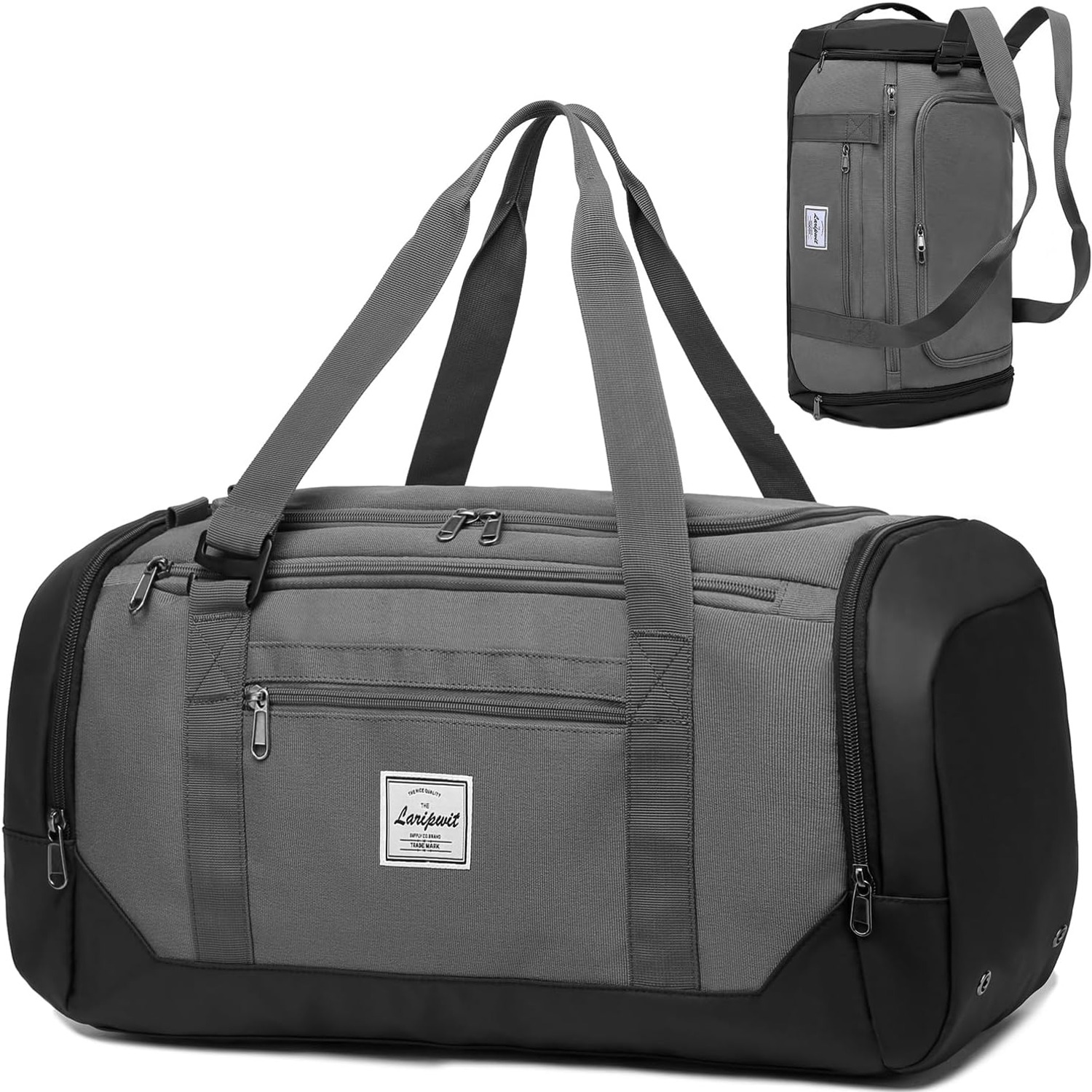
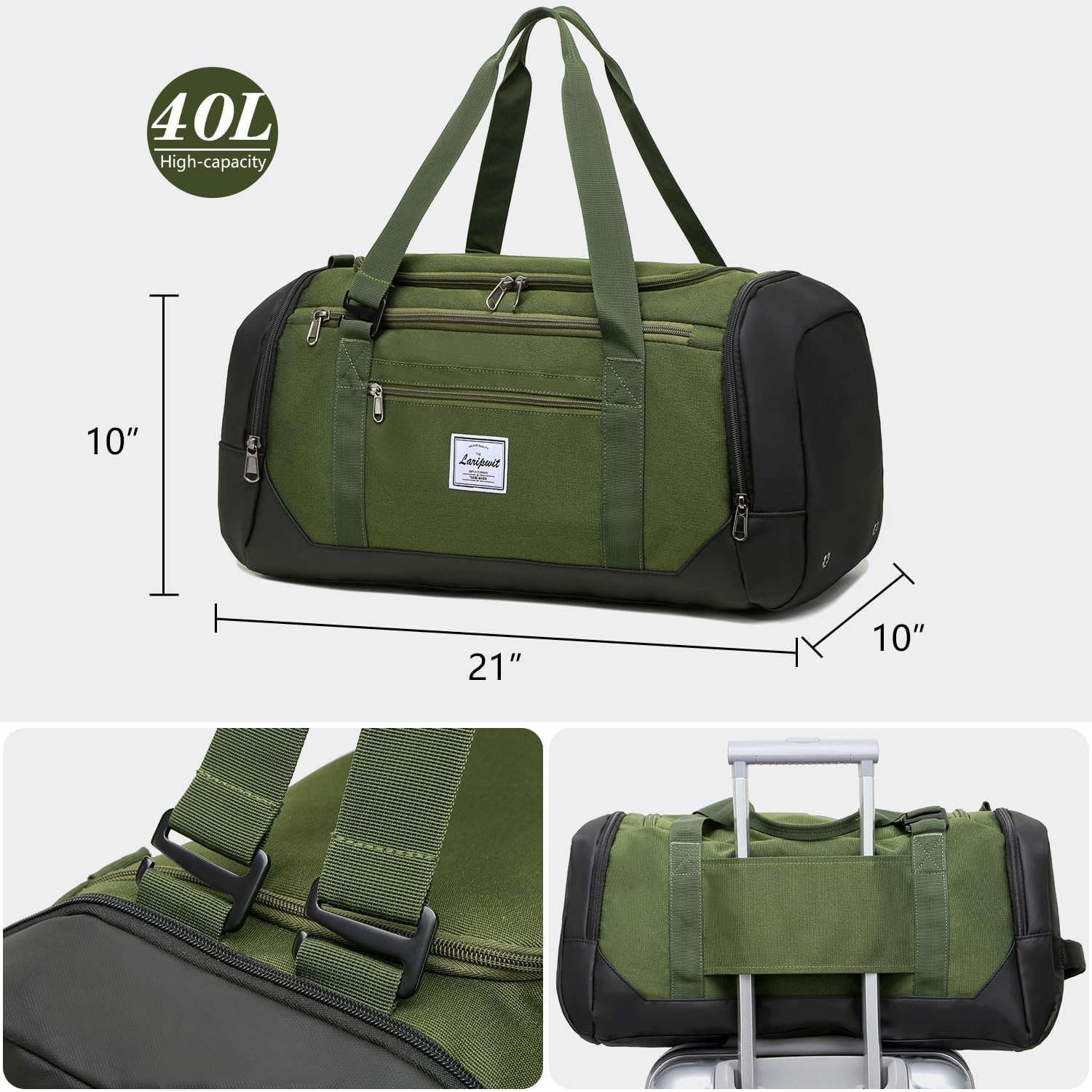
This bag is laid out that way, with three compartments and a dedicated shoe section. Once you have used that arrangement for a few weeks it is hard to go back. You stop making decisions about where things go, because every item has a home.
The shell is polyester and the maker rates it as waterproof. On a practical level that means rain on the walk from the car, a knocked over drink, or a wet patch on a changing room floor are not a drama. Wipe it with a damp cloth and carry on. It also means the bag does not drink up water and get heavy on a wet day.
Why 40 litres is the sweet spot
Capacity is where people most often get it wrong, usually by buying too big. A 60 or 70 litre holdall sounds generous until you try to carry it on a bus, wedge it into a locker, or lift it over your shoulder when it is actually full.
Forty litres is roughly a complete gym kit plus trainers plus a towel, with room spare. It is also about right for one or two nights away. The dimensions here are 53 cm long and 25.4 cm in each other direction, which keeps it slim enough to sit on a car seat or in a footwell without dominating the space.
The other number worth looking at is the empty weight. This bag comes in at 0.74 kg. That sounds like a small detail until you compare it with heavy canvas or leather trimmed bags that start at two kilos before you pack anything. Every gram the bag weighs is a gram of your kit you are not carrying.
Carrying it: handles, straps and backpack mode
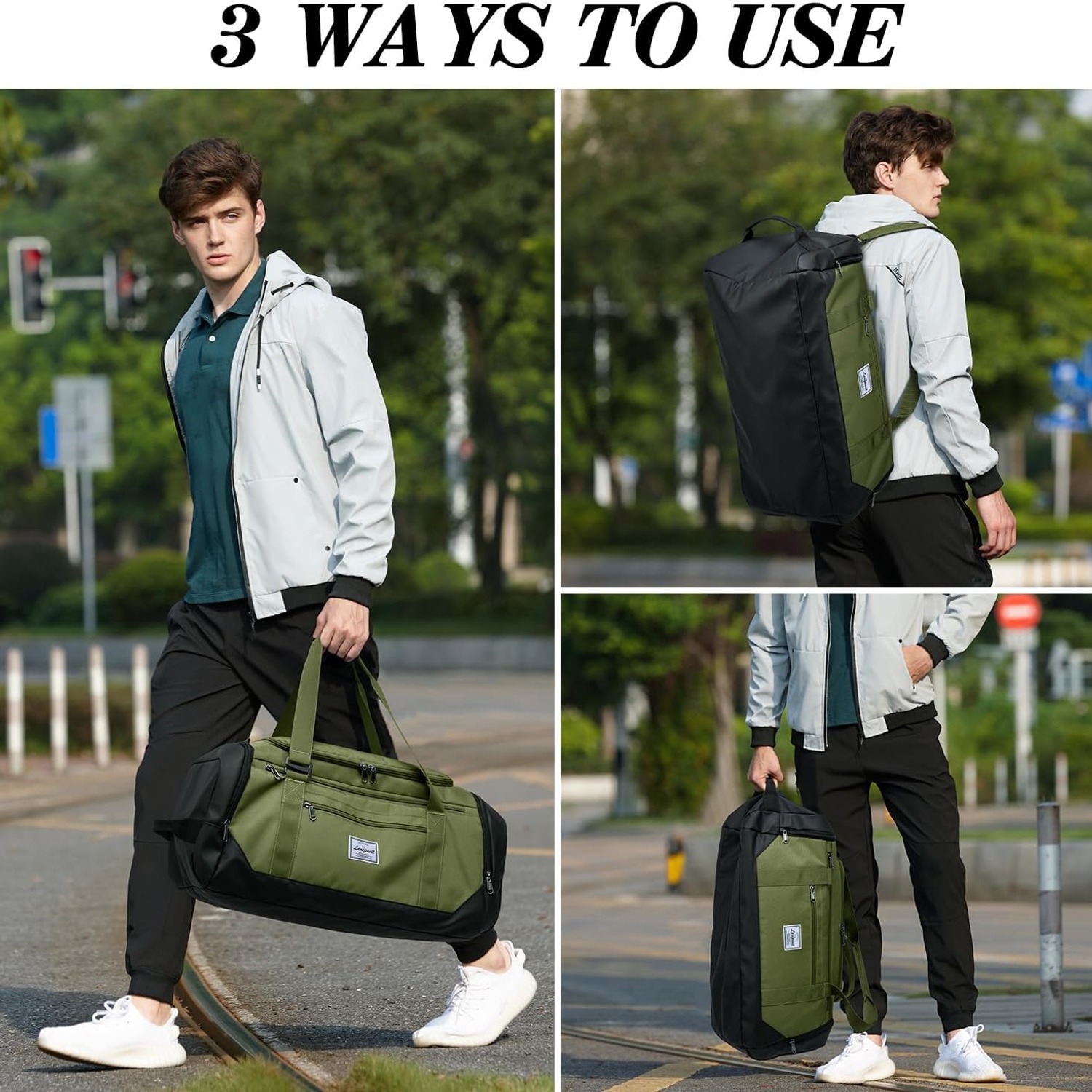
There are three ways people carry a duffle, and most bags only do two of them well.
Web handles across the top are quickest for short distances. You grab, you go. They are ideal for the thirty second walk from the car park to the front door.
A shoulder strap takes over for anything longer. It frees a hand, which matters when you are holding a coffee or a door.
Backpack mode is the one that gets overlooked. The strap on this bag is listed as convertible, so you can put it on your back when you are cycling, walking a mile home, or climbing stairs with shopping in the other hand. Anyone searching for the best convertible duffle backpack is really looking for this flexibility, and it is worth more in practice than it sounds on a spec sheet.
Who this suits
Regular gym goers are the obvious group. If you train three or four times a week, the shoe compartment alone will earn its place.
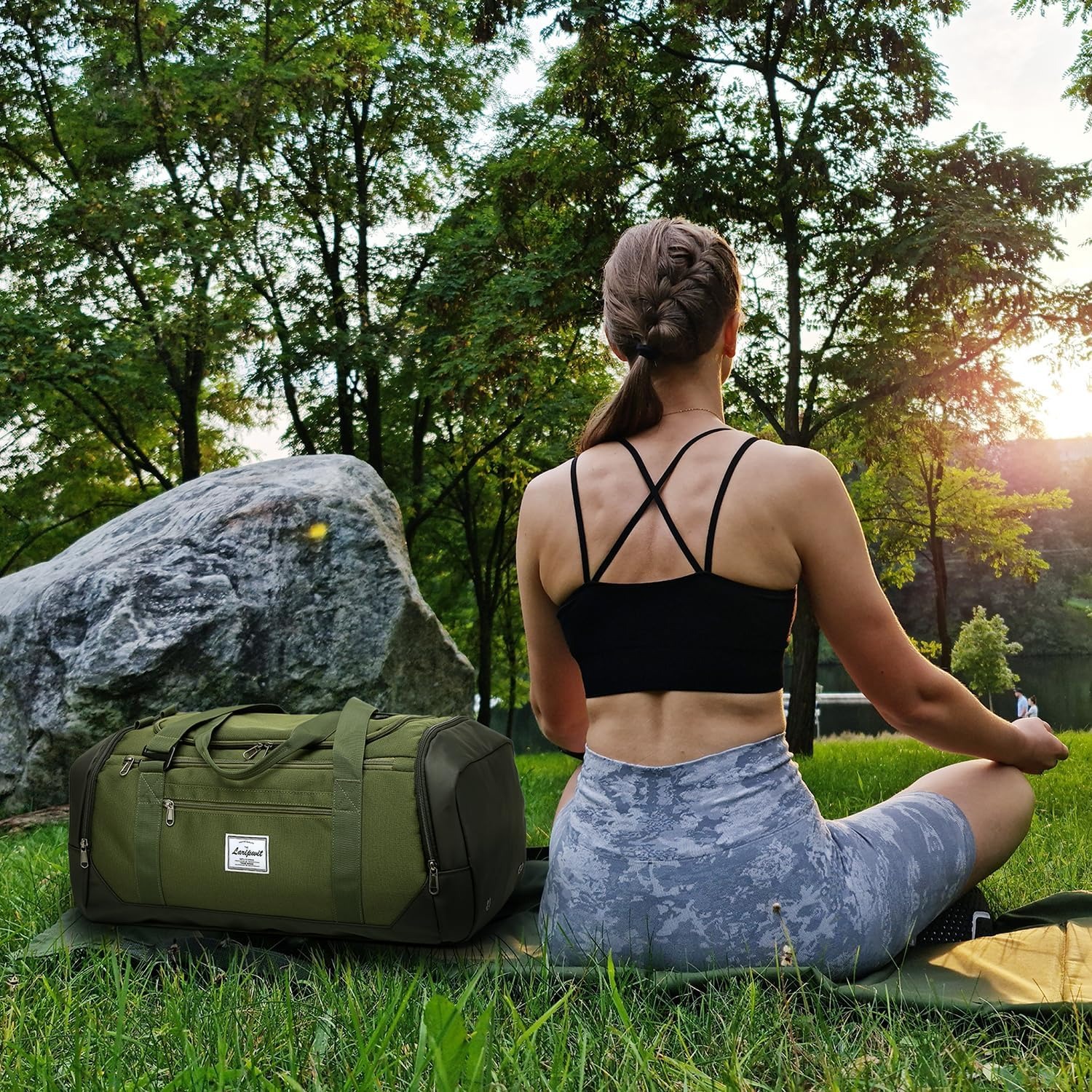
It also suits people who do more than one sport. Football boots, swimming kit and a yoga mat strap do not want to share a single space, and splitting them is the whole point of the layout.
Commuters who train before or after work get use out of the backpack setting, because it keeps hands free on public transport.
Anyone who wants one bag to cover both the gym and short trips will find 40 litres covers both jobs. People shopping for the best weekender bag often arrive at a sports holdall for exactly that reason, since the proportions overlap almost perfectly.
It suits teenagers carrying school sports kit too. Muddy boots in their own section, both hands free on the walk, and a light bag to start with.
How to choose between bags
A few questions sort it out quickly.
First, what do you actually pack? Write it down once. If your list runs to trainers, shorts, two tops, a towel, toiletries and a bottle, 40 litres is comfortable. If you carry boxing gloves, pads and a change of work clothes, look larger.
Second, how do you travel to train? Car only means handles are enough. Walking, cycling or public transport means you want a backpack option.
Third, do you train in sports that make things dirty or wet? If yes, a separate shoe compartment stops being a nice extra and becomes the deciding feature.
Fourth, where does the bag live between sessions? A soft duffle folds down flat when empty, which beats a rigid case if storage space is tight.
Then check the locker situation at your gym before you commit, because a bag that will not fit is a bag you will stop using.
Looking after it
Care for this kind of bag is mostly about habit rather than product.
Empty it after every session. The reason gym bags smell is not the bag, it is a damp towel sealed inside for two days. Unzip it and leave it open overnight and the problem disappears.
Clean marks as they happen. A damp cloth with a little mild soap handles mud and spills on polyester. Let it dry fully before you put it away, and skip the machine wash, the tumble dryer and the bleach, since all three are rough on coated fabric and zips.
Keep the zips clean. Grit in the teeth is the most common way a bag fails early. A quick brush along the zip line now and then costs nothing.
And do not overstuff it. Forcing a bag past its natural shape puts strain on seams and zip ends. If you are regularly cramming it, you needed a bigger bag.
The short version
A gym duffle bag earns its keep through layout, not size. Three compartments with a dedicated shoe section means your trainers never touch your clean clothes, and you can find your keys without unpacking.
This one is 40 litres, measures 53 x 25.4 x 25.4 cm, weighs 0.74 kg empty, and is made from polyester rated waterproof by the maker. The strap converts between shoulder and backpack carry, and web handles cover short trips.
If you train a few times a week and occasionally want one bag for a night away, that combination covers both without compromise. Keep it aired out, wipe it when it gets dirty, and it will quietly do its job for a long time.